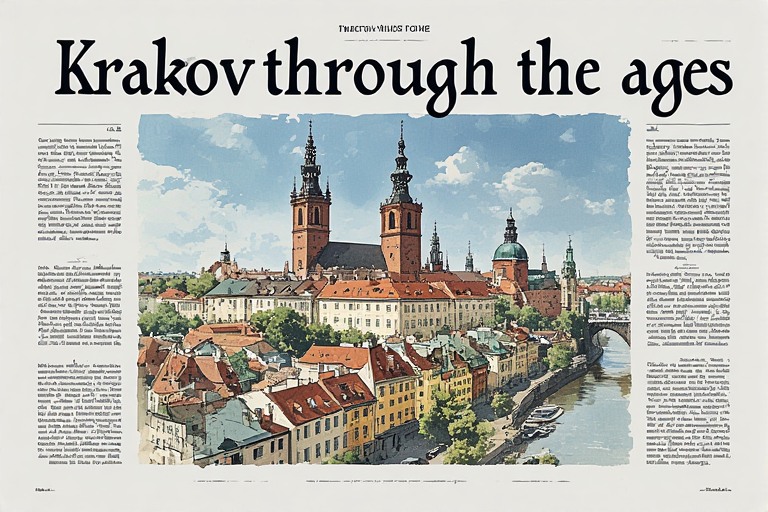
Nestled along the banks of the Vistula River, Kraków stands as one of Europe’s most enchanting cities. Known for its medieval charm, royal heritage, artistic spirit, and vibrant modern lifestyle, Kraków has remained the cultural heart of Poland for centuries. From ancient legends and Gothic architecture to bustling cafés and innovative startups, the city beautifully blends the old with the new. Exploring Kraków is like walking through a living museum where every street, church, and square tells a story from another era.
The Royal Origins of Kraków

Kraków’s history dates back more than a thousand years, making it one of the oldest and most historically significant cities in Poland. During the Middle Ages, it became the royal capital of the Polish kingdom and a center of political power. Kings were crowned and buried here, and the city flourished as an important hub for trade, education, and religion.
At the center of this royal legacy stands Wawel Castle, a magnificent complex perched on Wawel Hill overlooking the river. The castle served as the residence of Polish monarchs for centuries and remains one of the country’s most treasured landmarks. Nearby, Wawel Cathedral symbolizes the spiritual and national identity of Poland, housing royal tombs and historic relics.
Another iconic part of the city is Rynek Główny, Europe’s largest medieval market square. Surrounded by colorful townhouses, churches, and historic buildings, the square has been the social heart of Kraków since the 13th century. Street musicians, horse-drawn carriages, and outdoor cafés continue to bring life to the area, creating a timeless atmosphere that attracts visitors from around the world.
A City Shaped by Culture and Tradition
Kraków has long been regarded as the cultural capital of Poland. Its rich artistic heritage can be seen in its theaters, museums, festivals, and literary traditions. The city survived many of the devastations that destroyed other European cities during wars, allowing much of its original architecture and cultural treasures to remain intact.
One of the city’s most famous landmarks is St. Mary’s Basilica, known for its stunning Gothic interior and the hourly trumpet call played from its tower. The melody suddenly stops mid-note, honoring a legendary trumpeter who warned the city of invasion centuries ago.
Kraków is also home to Jagiellonian University, one of the oldest universities in Europe. Founded in 1364, it educated generations of scholars, including the famous astronomer Nicolaus Copernicus. The university continues to play a major role in shaping the intellectual and creative atmosphere of the city.
Traditional Polish culture remains deeply rooted in Kraków’s daily life. Folk music, handmade crafts, local cuisine, and seasonal festivals are celebrated throughout the year. Visitors often enjoy traditional foods such as Pierogi, hearty soups, smoked sausages, and sweet pastries sold in local bakeries and restaurants.
Kraków During Difficult Times
Like much of Europe, Kraków experienced periods of hardship and tragedy. During World War II, the city fell under Nazi occupation. Many members of Kraków’s Jewish community suffered persecution, displacement, and death during the Holocaust. The district of Kazimierz, once a thriving Jewish neighborhood, became a symbol of both tragedy and resilience.
Today, Kazimierz has transformed into one of the city’s most vibrant cultural districts. Historic synagogues stand beside trendy cafés, art galleries, and music venues, reflecting the area’s revival and multicultural spirit. Visitors can also learn about this difficult chapter of history at museums and memorial sites connected to the wartime period.
Another nearby landmark is Auschwitz-Birkenau, located outside Kraków. It serves as a solemn reminder of the horrors of the Holocaust and attracts visitors from around the world who come to pay respect and reflect on history.
Modern Life in Kraków
Despite its ancient roots, Kraków is also a modern and dynamic city. Over the last few decades, it has become an important center for business, tourism, education, and technology. Young professionals and students from across Europe are drawn to the city for its opportunities and high quality of life.
Modern Kraków balances innovation with preservation. Historic streets coexist with modern office buildings, shopping centers, and creative workspaces. The city has become a growing hub for international companies and startups while maintaining its artistic and historical character.
The nightlife in Kraków is especially famous among travelers and students. Hidden basement bars, live music clubs, jazz venues, and riverside restaurants create an energetic atmosphere after sunset. Areas near the Old Town and Kazimierz are filled with activity late into the night, offering everything from traditional Polish pubs to modern cocktail lounges.
Public transportation is efficient and affordable, making it easy to explore the city’s neighborhoods, parks, and cultural sites. Residents also enjoy green spaces such as Planty Park, a scenic park surrounding the Old Town where locals walk, cycle, and relax.
Why Kraków Continues to Captivate the World
Kraków’s enduring appeal lies in its ability to preserve its soul while embracing the future. Few cities manage to combine medieval beauty, cultural richness, painful historical memory, and modern creativity as seamlessly as Kraków does. Whether someone visits for its castles, museums, cuisine, nightlife, or historical significance, the city leaves a lasting impression.
For travelers, Kraków offers a journey through centuries of European history. For students and artists, it provides inspiration and opportunity. For locals, it remains a city deeply connected to tradition while confidently moving toward the future. As Poland continues to evolve, Kraków remains a shining example of how history and modern life can exist together in harmony.