Introduction: Understanding the World of Artificial Intelligence 🚀✨
Artificial Intelligence (AI) has become one of the most transformative technologies of the modern era. From smart assistants and automated systems to advanced research platforms and intelligent business solutions, AI is changing the way people live, work, communicate, and solve problems.
An AI blog provides a place to explore the latest developments, ideas, applications, and opportunities surrounding artificial intelligence. As technology continues to evolve, understanding AI has become increasingly important for students, professionals, businesses, and everyday users.
🤖 Artificial intelligence is not only about machines performing tasks. It is about creating systems that can learn, analyze information, recognize patterns, and support human decision-making.
Today, AI is influencing almost every industry, including:
🏥 Healthcare
💼 Business
🎓 Education
🚗 Transportation
🌱 Environmental research
🎨 Creative industries
The growth of AI represents a new era of digital transformation where human creativity and machine intelligence work together.
What Is Artificial Intelligence? 🧠💡
Artificial Intelligence refers to computer systems designed to perform tasks that normally require human intelligence. These tasks may include learning, reasoning, understanding language, recognizing images, and making decisions.
Traditional computer programs follow specific instructions created by humans. AI systems, however, can analyze large amounts of data and improve their performance through learning processes.
Important areas of AI include:
Machine Learning 📊
Machine learning allows computers to learn from data and improve results over time without being directly programmed for every situation.
Examples include:
📱 Personalized recommendations
🔍 Search engine improvements
💳 Fraud detection systems
🎯 Predictive analysis
Machine learning helps organizations make faster and smarter decisions.
Deep Learning and Neural Networks 🧬🤖
Deep learning is an advanced form of machine learning inspired by the structure of the human brain.
Neural networks allow AI systems to process complex information such as:
🖼️ Images
🎙️ Voice recordings
📝 Text
📊 Large datasets
Deep learning technology powers many modern applications, including voice assistants, autonomous vehicles, and medical analysis systems.
The Growth of AI Technology Worldwide 🌎🚀
Artificial intelligence has developed rapidly over recent years due to improvements in computing power, data availability, and advanced algorithms.
Organizations around the world are investing in AI research because of its ability to improve efficiency and create new opportunities.
Modern AI applications include:
🤖 Virtual assistants
📈 Business analytics
🏥 Medical diagnosis support
🎮 Gaming technology
🛒 Smart shopping experiences
🌐 Language translation tools
The increasing adoption of AI is creating a more connected and intelligent digital environment.
AI in Everyday Life 📱✨
Many people use AI technologies every day without realizing it. Artificial intelligence has become integrated into common digital experiences.
Examples include:
Smart Assistants 🎙️
Voice-based AI assistants help users:
⏰ Set reminders
🌦️ Check weather information
📞 Manage communication
🎵 Control entertainment systems
These tools make everyday tasks more convenient.
Recommendation Systems 🎬🎵
Many online platforms use AI algorithms to recommend content based on user interests.
AI analyzes patterns to suggest:
🎥 Movies
🎵 Music
🛍️ Products
📚 Articles
These systems improve user experiences by providing personalized options.
AI and Business Transformation 💼🌟
Businesses are using artificial intelligence to improve productivity, customer experiences, and decision-making.
AI helps companies in areas such as:
📊 Data analysis
💬 Customer service
📦 Supply chain management
📢 Marketing strategies
🔐 Cybersecurity
Companies can analyze information faster and identify new opportunities through AI-powered tools.
AI Chatbots and Digital Communication 💬🤖
AI chatbots have become popular tools for businesses, education platforms, and online services.
Modern chatbots can:
💡 Answer questions
📄 Provide information
🛠️ Support customers
🌐 Assist users worldwide
AI-powered communication tools allow organizations to provide faster and more efficient services.
However, successful AI communication requires balancing automation with human understanding and creativity.
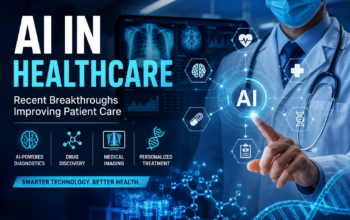
AI in Healthcare: Improving Human Well-Being 🏥🧬
Healthcare is one of the fields where AI has created significant opportunities.
AI technologies support healthcare professionals by helping with:
🔬 Medical research
🩺 Disease detection
📊 Patient data analysis
💊 Drug development
AI systems can analyze complex medical information and assist doctors in making informed decisions.
For example, AI-powered tools can examine medical images, identify patterns, and support early detection of certain conditions.
The combination of human expertise and artificial intelligence has the potential to improve healthcare outcomes worldwide.
AI in Education: Creating Smarter Learning Experiences 🎓📚
Artificial intelligence is transforming education by providing personalized learning opportunities.
AI tools can help students through:
📖 Customized learning programs
📝 Automated feedback
🌎 Language learning support
🎯 Skill development platforms
Teachers can also use AI to analyze student progress and create more effective learning strategies.
The future of education may involve stronger collaboration between educators and intelligent technologies.