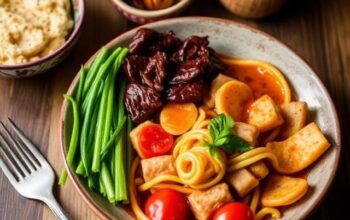
Poland is a country rich in history, culture, and culinary traditions that have been passed down through generations. Traditional Polish cuisine is known for its hearty flavors, comforting meals, and recipes inspired by centuries of regional influences. From savory dumplings to sweet pastries, Polish food reflects the country’s agricultural roots and love for family gatherings around the table. Whether you are visiting Poland or simply exploring international cuisine, there are certain dishes you should experience at least once in your life.
Pierogi – Poland’s Most Famous Dish
No discussion about Polish food is complete without mentioning Pierogi. These delicious dumplings are considered one of the national treasures of Poland. Pierogi are made from soft dough and filled with a variety of ingredients such as potatoes, cheese, meat, mushrooms, cabbage, or even sweet fruits.
The most popular version is “Pierogi Ruskie,” filled with potatoes and cheese, while festive occasions often feature mushroom and cabbage fillings. Sweet pierogi stuffed with strawberries or blueberries are also loved during summer. Usually boiled and then lightly fried in butter, they are served with sour cream or crispy onions, making them both simple and unforgettable.
Bigos – The Hunter’s Stew
Bigos is another iconic dish deeply connected to Polish culture. Often referred to as “Hunter’s Stew,” Bigos combines sauerkraut, fresh cabbage, smoked sausage, pork, mushrooms, and aromatic spices. The dish is cooked slowly for hours, allowing the flavors to blend perfectly.
Many Polish families have their own secret recipe, and the stew often tastes even better after being reheated the next day. Bigos is especially popular during winter because of its warming and filling qualities. Served with bread or potatoes, it represents the heart of traditional Polish comfort food.
Żurek – A Soup Full of Character
One of the most unique soups in Europe is Żurek. Made from fermented rye flour, this soup has a distinctive sour flavor that surprises many first-time visitors. It is commonly prepared with sausage, bacon, potatoes, and hard-boiled eggs.
Żurek is often served during Easter celebrations, but it can be enjoyed throughout the year in restaurants and homes across Poland. Some traditional restaurants even serve it inside a hollowed-out bread bowl, adding extra flavor and authenticity to the experience.
Kotlet Schabowy – The Polish Schnitzel
Kotlet Schabowy is Poland’s answer to schnitzel. This breaded pork cutlet is coated in breadcrumbs and fried until golden and crispy. It is typically served with mashed potatoes and a side of pickled cabbage or cucumber salad.
This dish became especially popular during the 19th century and remains a staple of family dinners in Poland today. The crispy texture and rich flavor make it one of the most comforting and satisfying Polish meals.
Gołąbki – Stuffed Cabbage Rolls
Another beloved classic is Gołąbki. These cabbage rolls are stuffed with minced meat, rice, and spices before being baked or simmered in tomato sauce.
Gołąbki are commonly prepared for family gatherings and holidays because they are filling, affordable, and perfect for sharing. Different regions of Poland add their own twist to the recipe, making each version slightly unique while preserving the traditional essence.
Oscypek – A Highland Cheese Specialty
From the mountainous southern region of Poland comes Oscypek, a smoked cheese made from sheep’s milk. Produced mainly in the Tatra Mountains, Oscypek has a salty and smoky flavor that pairs perfectly with cranberry sauce.
Tourists visiting mountain towns such as Zakopane often buy freshly made Oscypek from local markets. Its decorative shape and distinctive taste make it one of Poland’s most recognizable regional specialties.
Paczki – Sweet Polish Doughnuts
For dessert lovers, Pączki are an absolute must-try. These soft and fluffy doughnuts are usually filled with rose jam, plum preserves, custard, or chocolate. They are especially popular on “Fat Thursday,” a Polish celebration before Lent.
Unlike ordinary doughnuts, Pączki are rich, slightly chewy, and incredibly satisfying. A dusting of powdered sugar or glaze completes this famous Polish treat.
The Importance of Food in Polish Culture
Traditional Polish food is more than just a collection of recipes. It reflects hospitality, family traditions, and regional identity. Meals are often shared during celebrations, holidays, and Sunday gatherings where several generations sit together at one table.
Many recipes have survived wars, political changes, and modern trends because Polish families continue to value homemade cooking and cultural heritage. Every dish tells a story about the country’s history, climate, and traditions.
Conclusion
Polish cuisine offers a rich variety of flavors that combine comfort, tradition, and authenticity. From savory dishes like Pierogi and Bigos to sweet delights like Pączki, every meal provides a deeper understanding of Poland’s culture and lifestyle. Trying traditional Polish food is not only a culinary adventure but also a journey into the country’s history and identity. Whether you prefer hearty soups, smoked cheese, or homemade dumplings, Polish cuisine has something memorable for every food lover.