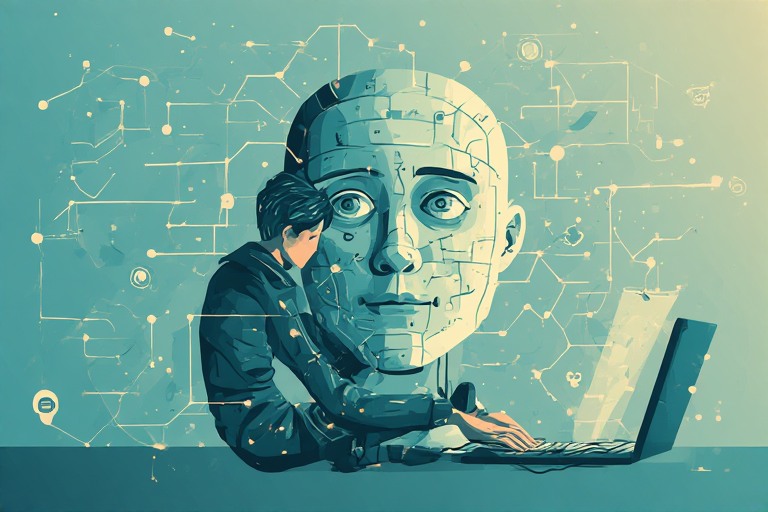
Generative AI is a branch of artificial intelligence that can create new content—such as text, images, audio, and even code—based on patterns it has learned from large datasets. It powers tools like chatbots (e.g., ChatGPT-style systems) and image generators (e.g., DALL·E-style models).
Below is a simple breakdown of how these systems work and the key tools behind them.
1. What is Generative AI?
Generative AI refers to models that don’t just analyze data—they generate new outputs.
Instead of only answering “Is this spam or not?”, a generative model can:
- Write an email
- Summarize a document
- Create an image from a text prompt
- Generate realistic conversations
It learns patterns from massive datasets and uses probability to predict what comes next.
2. Text Generators (Chatbots)
Text generation models are the technology behind AI chatbots.


6
How they work
At the core, most modern text generators use Transformer models, which:
- Break text into small pieces called tokens
- Analyze relationships between words in context
- Predict the most likely next token repeatedly
This is how a chatbot builds full sentences.
Key capabilities
- Answering questions
- Writing articles, emails, and stories
- Translating languages
- Coding assistance
- Summarizing text
Example
Prompt: “Explain climate change simply”
AI breaks this into tokens → understands context → generates a structured explanation.
3. Image Generation Models
Image generation AI creates pictures from text descriptions.


6
How they work
Most modern systems use diffusion models:
- Start with random noise (like static on a TV)
- Gradually remove noise step-by-step
- Guide the process using a text prompt
- Produce a clear image
Key capabilities
- Creating realistic photos or artwork
- Designing characters and environments
- Generating marketing visuals
- Editing or transforming images
Example
Prompt: “A futuristic city at sunset”
AI gradually “cleans up” noise until it forms a detailed, coherent image matching the description.
4. Shared Technology Behind Both
Both text and image generators rely on similar AI principles:
- Neural Networks: Systems inspired by the human brain
- Large-scale training data: Millions or billions of examples
- Pattern learning: Understanding structure, style, and relationships
- Probability prediction: Choosing the most likely next word or pixel
5. Why Generative AI is Powerful
- Automates creative tasks
- Saves time in content production
- Enhances productivity tools
- Enables new forms of digital creativity
But it also comes with challenges:
- Bias in training data
- Misinformation risks
- Copyright concerns
- Need for responsible use
Conclusion
Generative AI works by learning patterns from huge datasets and using them to create new text or images from scratch. Text generators focus on predicting language, while image models build visuals step-by-step from noise. Together, they form the foundation of modern AI tools like chatbots and creative design systems.