Environment · Climate Change · Global Warming · India’s Climate Resilience


Earth’s climate is sending increasingly urgent warning signals. Rising global temperatures, warming oceans, melting glaciers, changing rainfall patterns and more frequent extreme-heat events are placing growing pressure on ecosystems and human societies. These changes are no longer distant possibilities; they affect food production, water supplies, public health, infrastructure and economic development.
A climate report published on October 14, 2026, provides a timely opportunity to examine these planetary indicators, understand their implications for India and explore practical ways to strengthen climate resilience.
The central question is not simply whether the planet is warming, but whether humanity can reduce the causes of climate change quickly enough while preparing communities for the impacts that are already unavoidable.
What Does the 2026 State of the Climate Report Reveal?
The report, titled The 2026 State of the Climate Report: Challenges and Opportunities, was published on October 14, 2026, in the scientific journal BioScience. It is the seventh annual update by an international group of scientists monitoring Earth’s climate indicators and the human activities that influence them.
Its main finding is alarming: seven of the 16 climate-related indicators tracked by the researchers have reached record extremes, while several others show accelerating trends or abrupt changes.
The indicators cover atmospheric greenhouse gases, temperatures, ocean conditions, ice loss, Earth’s energy balance and wildfire activity. Together, they provide a broad picture of the planet’s changing condition rather than relying on a single temperature measurement.
The report also identifies encouraging developments, including the expansion of renewable electricity and battery storage. However, scientists warn that these improvements are not yet sufficient to stabilize the climate system.
The most important findings at a glance
Seven of 16 indicators at record extremes
Nearly 44% of the tracked climate indicators are at their most extreme recorded levels.
Atmospheric CO₂ above 428 ppm
The report says concentrations exceeded 428 parts per million in May 2026, approximately 50% above pre-industrial levels.
Record ocean heat and sea levels
Oceans are absorbing excess heat, while thermal expansion and melting land ice contribute to rising seas.
Clean-energy progress is accelerating
Low-carbon sources supplied approximately 43% of global electricity generation in 2025, but fossil-fuel use continued to rise.
Source: 2026 State of the Climate report and its accompanying research summary.
These findings illustrate an important distinction: progress in climate technology does not automatically mean that the climate crisis is improving. Emissions, accumulated greenhouse gases, ocean heat and the response of natural ecosystems must all be considered.
Understanding the Planet’s Intensifying Warning Signs

Rising greenhouse gas concentrations
Carbon dioxide, methane and nitrous oxide trap heat in the atmosphere. Human activities—including burning coal, oil and natural gas, industrial processes, agriculture and land-use change—have substantially increased their concentrations.
The 2026 report states that all three major greenhouse gases reached record concentrations in its year-to-date assessment. Atmospheric CO₂ exceeded 428 parts per million in May.
Carbon dioxide is especially important because a substantial proportion of emissions remains in the climate system for a very long time. Even if annual emissions decline, the amount already accumulated in the atmosphere continues to influence temperatures.
This means that stopping the growth of emissions is not the same as eliminating the cause of warming. Achieving net-zero carbon dioxide emissions is necessary to halt further long-term warming from CO₂, although temperatures and other climate processes will not all respond immediately.
Methane reduction is also valuable because methane is a powerful greenhouse gas over shorter timescales. Tackling leaks from fossil-fuel infrastructure, improving waste management and reducing avoidable emissions from agriculture can deliver climate benefits.
Global warming is accelerating
The report highlights a faster warming rate in recent decades. Its analysis estimates approximately 0.36°C of warming per decade for 2010–2024, compared with a slower rate in earlier periods.
This figure describes a long-term trend, not the temperature change in every individual year. Natural variability, including El Niño and La Niña, can make particular years warmer or cooler than the underlying trend.
Nevertheless, a faster warming rate matters because infrastructure, ecosystems and communities have less time to adjust. Heat waves can become more dangerous when high temperatures coincide with high humidity, poor nighttime cooling or inadequate access to electricity and healthcare.
Global averages also conceal substantial regional differences. Some regions experience much faster warming than the global average, while local rainfall patterns and seasonal extremes change in different ways.
Oceans are accumulating excess heat

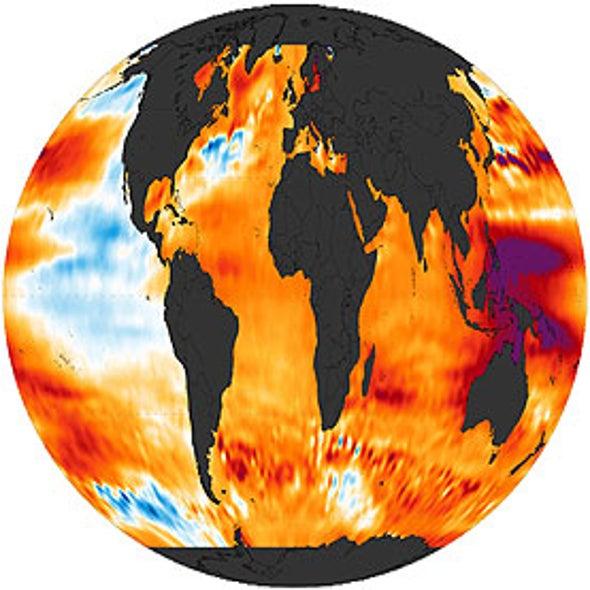
The oceans absorb most of the excess heat accumulating in the climate system. This has helped moderate the rate of atmospheric warming, but it also creates serious long-term consequences.
Warmer seawater expands, contributing to sea-level rise. Melting glaciers and ice sheets add more water to the oceans. The combined effects increase risks for coastal settlements, ports, fisheries, wetlands and agricultural areas near the sea.
Marine heat waves can also damage coral reefs, disrupt fisheries and alter the distribution of marine species. Communities that depend on coastal ecosystems for food, employment and tourism may face growing economic uncertainty.
Ocean warming is particularly relevant to India, which has a long coastline and extensive coastal settlements. Higher sea levels, storm surges, erosion and saltwater intrusion can compound existing pressures on coastal infrastructure and freshwater supplies.
Melting glaciers and shrinking ice sheets
The report identifies global glacier thickness and Greenland ice-sheet mass as being at record lows. It also highlights concerning conditions in polar ice and sea ice.
Glaciers are natural water stores. In mountain regions, meltwater helps sustain rivers and communities, particularly during dry periods. Glacier retreat can initially increase meltwater flows in some locations, but continued ice loss can reduce this contribution over the longer term.
Changes in snow accumulation, seasonal melting and rainfall also influence river flow. These processes make water planning more difficult for communities that depend on mountain-fed river systems.
The consequences extend beyond water availability. Glacial lakes can expand as ice retreats, creating potential hazards if unstable natural dams fail. Monitoring, early-warning systems, hazard mapping and carefully planned infrastructure are essential for reducing these risks.
Wildfires and ecosystem damage
The report records approximately 10.8 million hectares of global tree-cover loss due to fires in 2025, among the highest annual levels in the record discussed by the authors.
Wildfires can be influenced by temperature, drought, vegetation, wind, land management and ignition sources. Climate change can make fire-conducive conditions more likely in many regions, but it is not the only factor responsible for individual fires.
Fire also creates a dangerous feedback loop. Burning forests releases carbon dioxide and destroys vegetation that would otherwise absorb carbon. Smoke harms human health, while the loss of habitats threatens biodiversity.
Protecting forests, restoring degraded landscapes and improving fire prevention can therefore provide multiple benefits. Such measures should complement—not replace—rapid reductions in fossil-fuel emissions.
Why Climate Instability Matters Beyond Temperature
Climate change is not simply a story about hotter summers. The atmosphere, oceans, ice sheets, forests and human societies interact in complex ways.
One concern is the possibility of reaching a climate tipping point: a threshold beyond which a major component of the Earth system undergoes a substantial change that may be difficult or impossible to reverse on human timescales.
Potentially vulnerable systems include the Greenland and Antarctic ice sheets, the Amazon rainforest and major ocean-circulation systems. Scientists are actively investigating their thresholds, interactions and likelihood of abrupt change. The timing and probability of individual tipping events remain uncertain, so it would be misleading to claim that all such thresholds have already been crossed.
Another concern is that several risks can occur together. A heat wave may coincide with drought, increase demand for electricity and water, reduce crop yields and worsen health outcomes. A severe storm may damage roads, interrupt power supplies and prevent emergency services from reaching vulnerable communities.
This interaction is known as compound climate risk. It demonstrates why climate planning needs to consider entire systems rather than preparing for individual disasters in isolation.
The climate crisis also raises questions of fairness. Low-income communities, outdoor workers, small farmers, coastal households and people living in poorly serviced settlements often have fewer resources to recover from extreme events. Many vulnerable populations have contributed relatively little to historical greenhouse gas emissions yet face disproportionate risks.
Climate Change and Its Implications for India


India faces a complex climate challenge. Its large population, dependence on monsoon rainfall, extensive agricultural sector, long coastline and diverse geography make climate resilience a national development priority.
The 2026 report focuses on global indicators rather than providing a complete assessment of every country’s climate risks. However, its findings help explain why India needs stronger adaptation policies alongside emissions reductions.
Extreme heat and public health
Heat waves pose a major risk to people in Indian cities, towns and rural areas. Prolonged exposure to high temperatures can cause dehydration, heat exhaustion and potentially fatal heatstroke. High humidity can make conditions more dangerous because the human body becomes less effective at cooling itself through sweating.
Outdoor workers, farmers, construction workers, older adults, young children and people without reliable access to cooling may be especially vulnerable.
Urban areas face additional challenges. Concrete buildings, roads and limited vegetation can create urban heat islands, where temperatures remain higher than in surrounding areas. Crowded housing, unreliable electricity and limited access to drinking water can further increase exposure.
India can reduce these risks through local heat-action plans, early warnings, drinking-water facilities, shaded public spaces, cool roofs, tree cover and improved workplace safety rules.
Hospitals and emergency services should also prepare for periods of extreme heat by monitoring heat-related illnesses and ensuring that vulnerable people can obtain timely treatment.
Agriculture and food security
Agriculture depends heavily on seasonal rainfall, temperature conditions, soil moisture and access to irrigation. Climate change can disrupt all these factors.
Unusually high temperatures during critical crop-growth stages may reduce yields. Irregular monsoon rainfall can produce drought in one area and destructive flooding in another. Heavy rain can damage crops, erode soil and delay harvesting, while dry spells can increase irrigation demand.
For small farmers, these changes can mean lower incomes, higher input costs and greater uncertainty about planting decisions.
India can respond by expanding climate-resilient agriculture. Farmers need access to reliable weather forecasts, locally suitable crop varieties, efficient irrigation, soil-health management and agricultural extension services. Crop diversification can also reduce dependence on a single crop.
Agricultural insurance and accessible credit can help households recover after extreme weather, although these measures work best when combined with prevention and reliable support systems.
Water scarcity and Himalayan risks

Water security is another major concern. India’s rivers, reservoirs, groundwater systems and agricultural production are affected by changing rainfall patterns, rising temperatures and growing demand.
In the Himalayas, glacier retreat and changes in snowmelt can alter river flows. Some locations may experience increased meltwater in the short term, while continued ice loss can reduce glacier contributions in the future. Changing precipitation and the possibility of glacial-lake outburst floods create additional uncertainty.
Elsewhere, intense rainfall can overwhelm drainage systems and cause flash floods, while extended dry periods increase pressure on groundwater.
A comprehensive response should include watershed restoration, rainwater harvesting, groundwater monitoring, protection of wetlands, wastewater reuse and more efficient irrigation.
Cities should improve leakage detection, stormwater drainage and water-storage planning. Rural communities need dependable drinking-water systems that can withstand droughts and floods.
Coastal communities and rising sea levels
India’s coastline supports fishing communities, ports, tourism, industries and important ecosystems. Rising sea levels and coastal hazards threaten these assets through erosion, flooding, saltwater intrusion and storm surges.
The Sundarbans, parts of Odisha, Andhra Pradesh, Tamil Nadu, Kerala, Gujarat and other coastal regions face different combinations of these risks.
In Odisha, coastal districts must prepare for the possibility that cyclones, storm surges and heavy rainfall will interact with rising sea levels. A community may face flooding from the sea, rivers and intense rainfall within the same event.
India has made substantial progress in cyclone forecasting and evacuation, but resilience also requires stronger buildings, reliable shelters, restored mangroves, effective drainage and protection of freshwater sources.
Where long-term risks become too high, planned relocation may be necessary. Such decisions should involve affected communities, protect livelihoods and ensure that people are not moved into equally vulnerable locations.
Cities, infrastructure and economic development
Climate hazards can damage roads, railways, electricity networks, homes, schools and industrial facilities. Extreme rainfall may disrupt transport and supply chains, while heat can reduce worker productivity and increase cooling demand.
The economic consequences extend beyond the immediate cost of physical damage. Businesses may lose operating hours, households may face medical expenses, and governments may need to divert funds from development projects toward emergency relief and reconstruction.
Climate-resilient infrastructure should therefore be considered during the design stage rather than added only after a disaster. Urban development plans need to account for floodplains, drainage capacity, local heat exposure, water availability and future climate conditions.
The objective is not to eliminate every climate hazard, which is impossible, but to reduce the likelihood that a hazard becomes a major human or economic disaster.
Practical Climate Adaptation Strategies for India
Climate adaptation means adjusting infrastructure, institutions, ecosystems and everyday practices to reduce harm from actual or expected climate impacts. It is different from climate mitigation, which addresses the causes of warming by reducing greenhouse gas emissions or increasing carbon removal.
India needs both.

1. Strengthen heat-action plans
Cities and districts should use reliable forecasts to trigger heat alerts, adjust outdoor work schedules, provide drinking water and open cooling centres. Cool roofs, shade trees and heat-sensitive urban planning can reduce exposure over the long term.

2. Build climate-resilient agriculture
Promote efficient irrigation, soil conservation, crop diversification, climate-resilient seeds and locally useful weather advisories. Agricultural extension workers should help farmers interpret forecasts and make practical decisions.

3. Restore natural ecosystems
Protect mangroves, wetlands, forests and watersheds. Healthy ecosystems can help regulate water, protect biodiversity, store carbon and reduce certain climate hazards. Restoration must be ecologically appropriate and include local communities.

4. Improve water security
Expand rainwater harvesting, groundwater monitoring, leakage control and wastewater reuse. Water planning should account for both prolonged dry periods and increasingly intense rainfall.

5. Upgrade disaster preparedness
Strengthen early-warning systems, evacuation routes, shelters, emergency communications and resilient power supplies. Warnings should reach people in understandable languages and be linked to practical instructions.

6. Accelerate clean energy
Expand solar and wind power, improve electricity grids, deploy energy storage and promote energy efficiency. Distributed renewable systems can help provide electricity to critical facilities during some grid disruptions when appropriately designed and backed up.
The 2026 report specifically highlights measures such as mangrove restoration and distributed solar power because they can provide multiple benefits: reducing certain climate risks while supporting carbon storage or energy security.
India’s Climate Policy: Connecting Mitigation and Adaptation
India’s climate response must balance development needs with the need to limit global warming. Reliable electricity, affordable transport, food security, employment and improved living standards remain essential, particularly for low-income households.
A resilient development strategy can make progress on these priorities while reducing vulnerability to climate hazards.
Renewable energy and energy efficiency
Solar and wind power can reduce dependence on fossil fuels when they displace coal, oil or gas in the energy system. However, adding renewable capacity does not automatically reduce total fossil-fuel consumption if electricity demand grows faster than clean generation.
India therefore needs investment in transmission networks, storage, flexible electricity systems, energy efficiency and cleaner industrial processes.
Buildings can use passive cooling, insulation, shading and efficient appliances to reduce energy demand during hot weather. Public transport, walking, cycling and electrification can also help reduce transport emissions when supported by cleaner electricity.
Nature-based solutions
Protecting forests, wetlands, mangroves and other natural ecosystems can help communities adapt while preserving biodiversity and storing carbon.
However, planting trees alone is not a complete climate strategy. Projects must use appropriate native species, protect existing ecosystems and consider water availability, local biodiversity and the needs of people who depend on the land.
Mangrove restoration, for example, can reduce wave energy and support coastal ecosystems in suitable locations. It cannot eliminate every risk from extreme cyclones or sea-level rise, so it should be combined with appropriate infrastructure and disaster planning.
Better climate data and early warnings
Weather forecasting and climate science are increasingly important tools for adaptation. Satellite observations, ground-based monitoring, hydrological models and carefully evaluated artificial intelligence systems can help identify risks and improve preparedness.
But forecasts are useful only when people can act on them. Authorities must communicate warnings clearly, maintain trusted communication channels and ensure that evacuation, healthcare and emergency resources are available.
India should also expand local climate-risk assessments. A national average cannot reveal which neighbourhoods are most exposed to flooding, which villages face water shortages or which workers are most vulnerable to heat.
Climate finance and social protection
Adaptation requires sustained funding for infrastructure, public health, agriculture, ecosystems and local institutions. Many vulnerable communities cannot finance these investments independently.
Governments should prioritise projects according to their expected risk reduction, social benefits and long-term maintenance needs. Public investment, appropriate private financing and international climate finance can all contribute.
Social protection is equally important. Insurance, emergency cash assistance, food-security programmes and reliable public services can help households recover after climate-related disasters without falling into long-term poverty.
What Can Individuals and Communities Do?
Large-scale policy and industrial changes are essential, but individuals and local communities can also contribute to climate resilience.
- Conserve energy: Use efficient appliances, reduce unnecessary cooling losses and adopt renewable electricity where practical.
- Save water: Repair leaks, harvest rainwater where suitable and avoid unnecessary water waste.
- Reduce food waste: Plan meals, store food safely and use leftovers before they spoil.
- Protect local greenery: Support the conservation of native trees, wetlands and public green spaces.
- Prepare for heat and floods: Follow official warnings, identify safe locations and keep essential emergency supplies available.
- Participate locally: Encourage schools, housing associations, businesses and local authorities to develop climate-resilience plans.
These actions should not be presented as substitutes for government responsibility or industrial emissions reductions. Their greatest value comes when personal choices are supported by effective public infrastructure and broader systemic change.
The Challenges That Could Slow Climate Action
Despite growing scientific evidence and improving technologies, several barriers remain.
First, fossil-fuel infrastructure can lock in emissions for decades. Replacing it requires planning, investment and reliable alternatives that meet energy needs.
Second, adaptation is uneven. Wealthier communities may be able to install cooling systems, strengthen buildings or relocate, while poorer households may lack even basic protection from extreme heat.
Third, climate decisions often involve competing priorities. A flood-protection project may be expensive, a forest restoration initiative may affect land use, and changes in agricultural practices may require new skills or short-term financial support.
Finally, misinformation can undermine public understanding. Climate communication should distinguish established scientific findings from uncertain projections, explain the limits of individual studies and avoid sensational claims that are unsupported by evidence.
The 2026 report calls for rapid emissions reductions, effective adaptation, ecosystem protection and broader societal transformation. These priorities are mutually reinforcing rather than competing alternatives.
Is There Still Hope for the Future?

Yes. The scientific evidence is serious, but the future is not predetermined.
The 2026 report identifies an important positive development: low-carbon sources supplied approximately 43% of global electricity generation in 2025, while solar and wind deployment and battery storage continued to expand. Yet fossil-fuel consumption also increased, showing that the clean-energy transition must become faster and more effective at displacing high-emission energy sources.
Several opportunities remain available:
Technological progress can make clean electricity, storage, efficient buildings and climate monitoring more affordable and accessible.
Institutional cooperation can improve early warnings, disaster response, water management and climate finance.
Community participation can help ensure that adaptation projects reflect local needs rather than relying solely on top-down planning.
Nature protection can strengthen ecosystems that provide food, water, livelihoods and protection against some climate hazards.
Most importantly, every reduction in future greenhouse gas emissions can limit additional warming compared with a higher-emissions pathway. Adaptation can reduce suffering even while global emissions remain high.
There is no single technology or policy that will solve the climate crisis. Progress requires coordinated action across energy, agriculture, transport, industry, healthcare, urban planning and environmental protection.
Conclusion: Earth’s Warning Signs Demand Faster Action
The 2026 State of the Climate report presents a sobering assessment of the planet. Seven of 16 tracked climate indicators have reached record extremes, greenhouse gas concentrations remain exceptionally high, oceans continue to accumulate heat, glaciers are losing ice and wildfire-related forest loss remains severe. These changes show why climate instability must be treated as an immediate development and public-safety challenge, not merely a distant environmental concern.
For India, the implications reach across public health, agriculture, water security, coastal development, biodiversity and economic growth. Stronger heat-action plans, climate-resilient farming, ecosystem restoration, water conservation and disaster preparedness can reduce many risks. At the same time, expanding clean energy and cutting greenhouse gas emissions are necessary to limit the scale of future warming.
The most important lesson is that adaptation protects people from climate impacts, while mitigation helps prevent those impacts from becoming even more severe. Neither approach is sufficient on its own.
Earth’s warning signs are intensifying, but human decisions still matter. Governments, industries, scientists, communities and individuals all have roles to play in building a safer, fairer and more sustainable future.