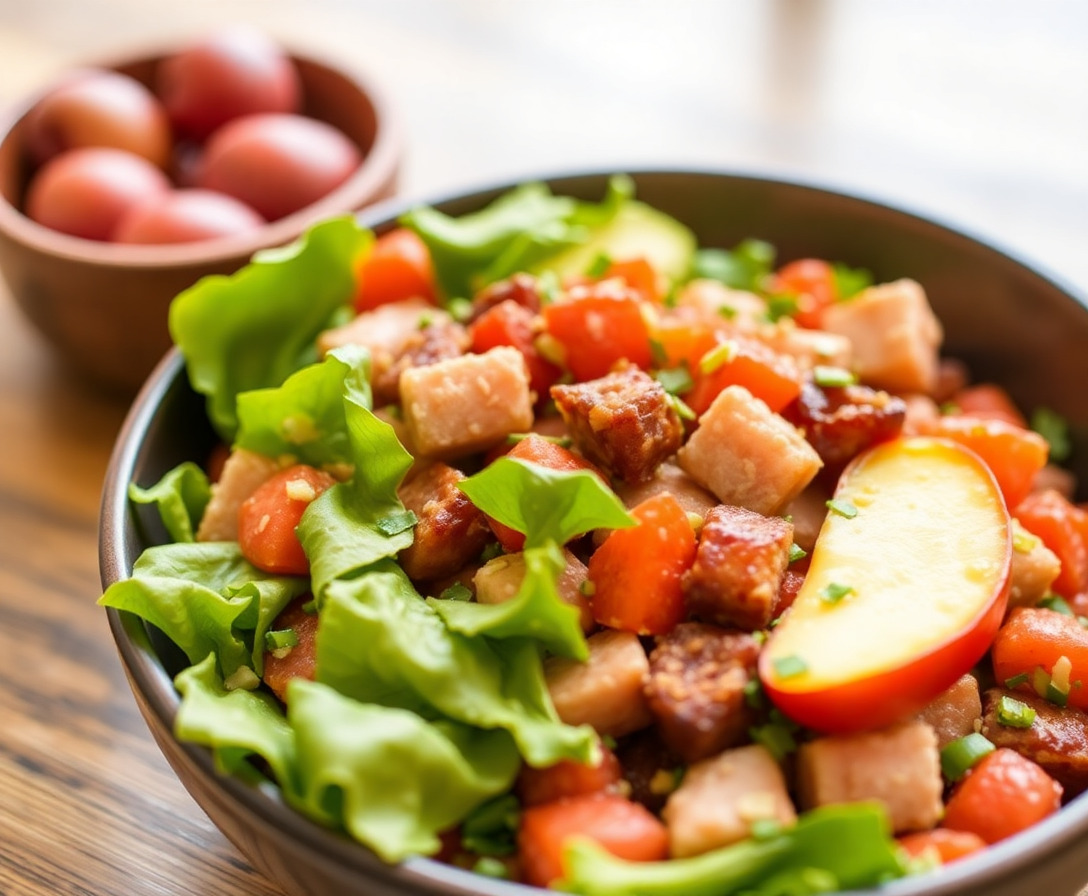
Eating healthy does not have to be expensive. Many people believe that nutritious meals cost more than fast food or processed snacks, but with smart planning and simple habits, it is possible to enjoy healthy food while staying within your budget. The key is learning how to shop wisely, cook efficiently, and make the most of affordable ingredients. This guide will help you understand how to eat healthy without overspending.
Plan Your Meals Before Shopping
One of the easiest ways to save money on food is by planning your meals in advance. Without a plan, people often buy unnecessary items or order takeout because they do not know what to cook. Meal planning helps you avoid waste and stick to a grocery budget.
Start by deciding what meals you will eat during the week. Focus on simple recipes that use affordable ingredients like rice, beans, oats, eggs, vegetables, and chicken. Make a shopping list based on those meals and avoid buying items that are not on the list.
It is also helpful to check what ingredients you already have at home before going shopping. Using leftover vegetables, grains, or proteins can reduce waste and lower costs. Preparing meals at home instead of eating out can save a significant amount of money every month.
Buying groceries in bulk is another smart strategy. Foods like brown rice, lentils, oats, pasta, and frozen vegetables are often cheaper in larger quantities and last longer.
Choose Affordable and Nutritious Foods
Healthy eating becomes easier when you focus on nutrient-dense foods that are also budget-friendly. Some of the most affordable foods are also among the healthiest.
Beans and lentils are excellent sources of protein and fiber. They are inexpensive, filling, and can be used in soups, salads, curries, and rice dishes. Eggs are another affordable protein option that can be cooked in many different ways.
Seasonal fruits and vegetables are usually cheaper and fresher than imported produce. Frozen vegetables are also a good option because they are nutritious, affordable, and last longer than fresh vegetables.
Whole grains like oats, brown rice, and whole wheat bread provide energy and keep you full longer. Instead of spending money on sugary snacks or processed foods, choose healthier snacks like bananas, peanuts, yogurt, or homemade popcorn.
Reducing your intake of packaged and processed foods can also help you save money. Chips, soft drinks, and ready-made meals often cost more and provide less nutrition than homemade alternatives.
Cook More Meals at Home
Cooking at home is one of the best ways to maintain both your health and your budget. Restaurant meals and food delivery services can quickly become expensive. Home-cooked meals allow you to control ingredients, portion sizes, and costs.
You do not need to prepare complicated recipes to eat healthy. Simple meals such as vegetable stir-fry, lentil soup, grilled chicken with rice, or oatmeal with fruit are affordable and nutritious.
Batch cooking can save both time and money. Prepare larger portions of meals and store leftovers in the refrigerator or freezer. This reduces food waste and gives you ready-to-eat meals for busy days.
Learning a few basic cooking skills can also make healthy eating easier. Knowing how to prepare rice, roast vegetables, cook beans, or make soups can help you create many low-cost meals with simple ingredients.
Drinking water instead of sugary beverages is another easy way to save money while improving your health. Soft drinks and energy drinks add unnecessary sugar and expense to your diet.
Shop Smart and Avoid Food Waste
Smart shopping habits can make a big difference in your grocery budget. Comparing prices, using coupons, and looking for sales can help reduce food costs.
Store-brand products are often cheaper than name brands but offer similar quality. Reading labels and comparing prices per unit can help you find the best value.
Avoid shopping when you are hungry because it can lead to impulse purchases. Sticking to your shopping list helps you stay focused and avoid unnecessary spending.
Food waste is another major issue that affects budgets. Many people throw away food because it spoils before they use it. To avoid waste, store food properly and use leftovers creatively. Vegetables can be added to soups or stir-fries, while leftover rice can become fried rice or grain bowls.
Understanding expiration dates can also help reduce waste. Some foods are still safe to eat after the “best before” date if stored correctly.
Conclusion
Healthy eating on a budget is possible with the right strategies and mindset. By planning meals, choosing affordable nutritious foods, cooking at home, and shopping wisely, you can enjoy a balanced diet without spending too much money. Small changes in your habits can lead to long-term savings and better health. Eating healthy is not about buying expensive products; it is about making smart and practical choices every day.